
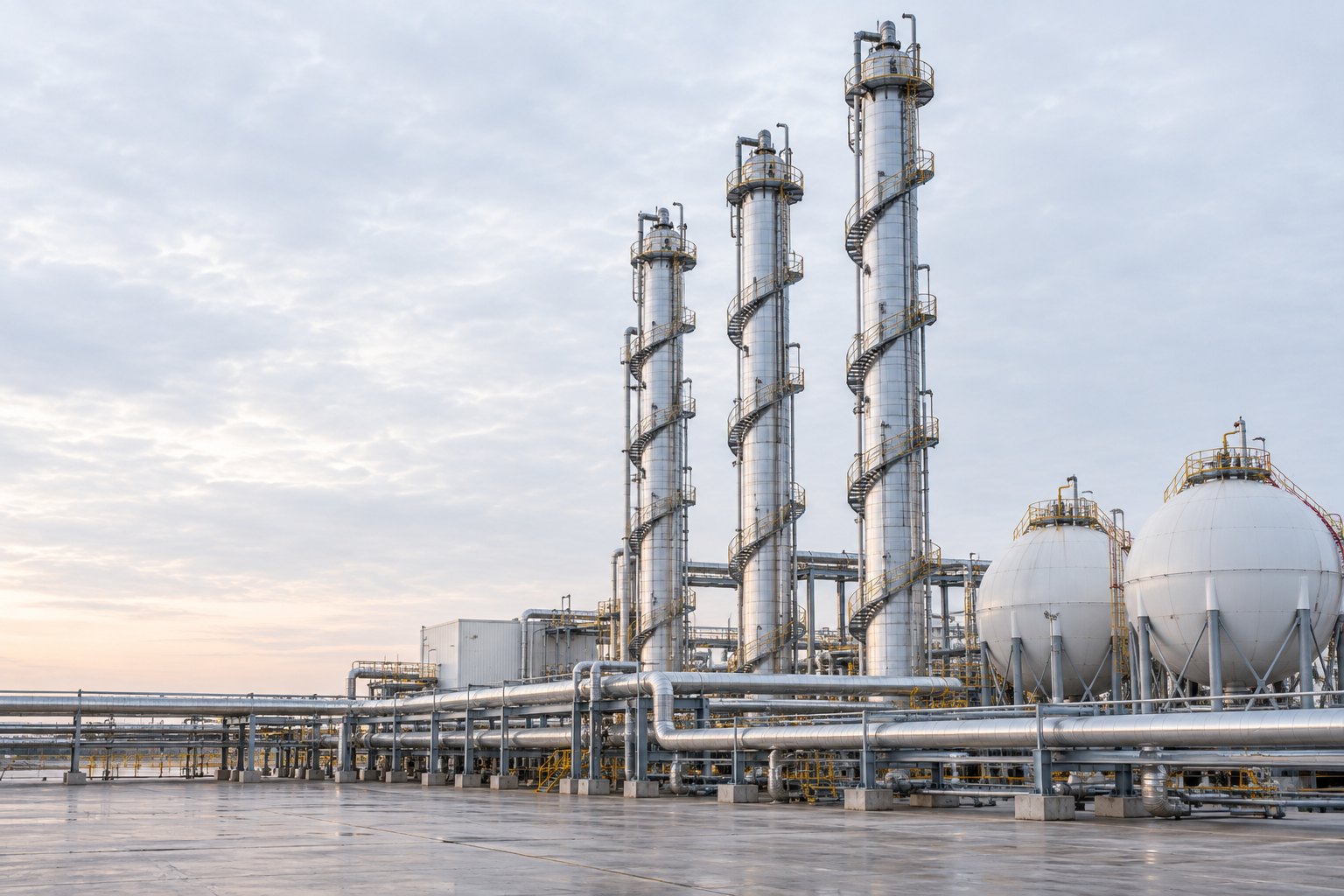
What we're treating
Process effluent from chemical and pharmaceutical manufacture is variable by design: campaigns change, and so does what reaches the drain. Solvents, salts and active ingredients can inhibit or kill a biological stage, and permits are often written against specific substances rather than bulk COD. Pharmaceutical residues and antimicrobial resistance are now moving up the regulatory agenda as well.
The design problem is resilience, not capacity. Buffering and stream segregation keep the shock off the biology; a membrane bioreactor holds biomass in the system when a conventional clarifier would lose it. Where the stream is saline or there is no discharge route at all, evaporation and crystallisation take it through to zero liquid discharge and recover the water. We have delivered 84 plants in this sector across 12 countries, including LONZA Visp at 21,720 m³/day.
- Load pattern
- Campaign-driven; composition changes with the product being made
- Binding limits
- Named substances, AOX and toxicity, alongside COD
- Hard case
- Inhibitory batches reaching biology, and brine with no discharge route
- Opportunity
- Water recovered from brine rather than trucked off site
Case studies
All case studies →84 plants delivered in this sector across 12 countries, 961,739 m³/day of combined capacity. These are written up with their commissioning data.
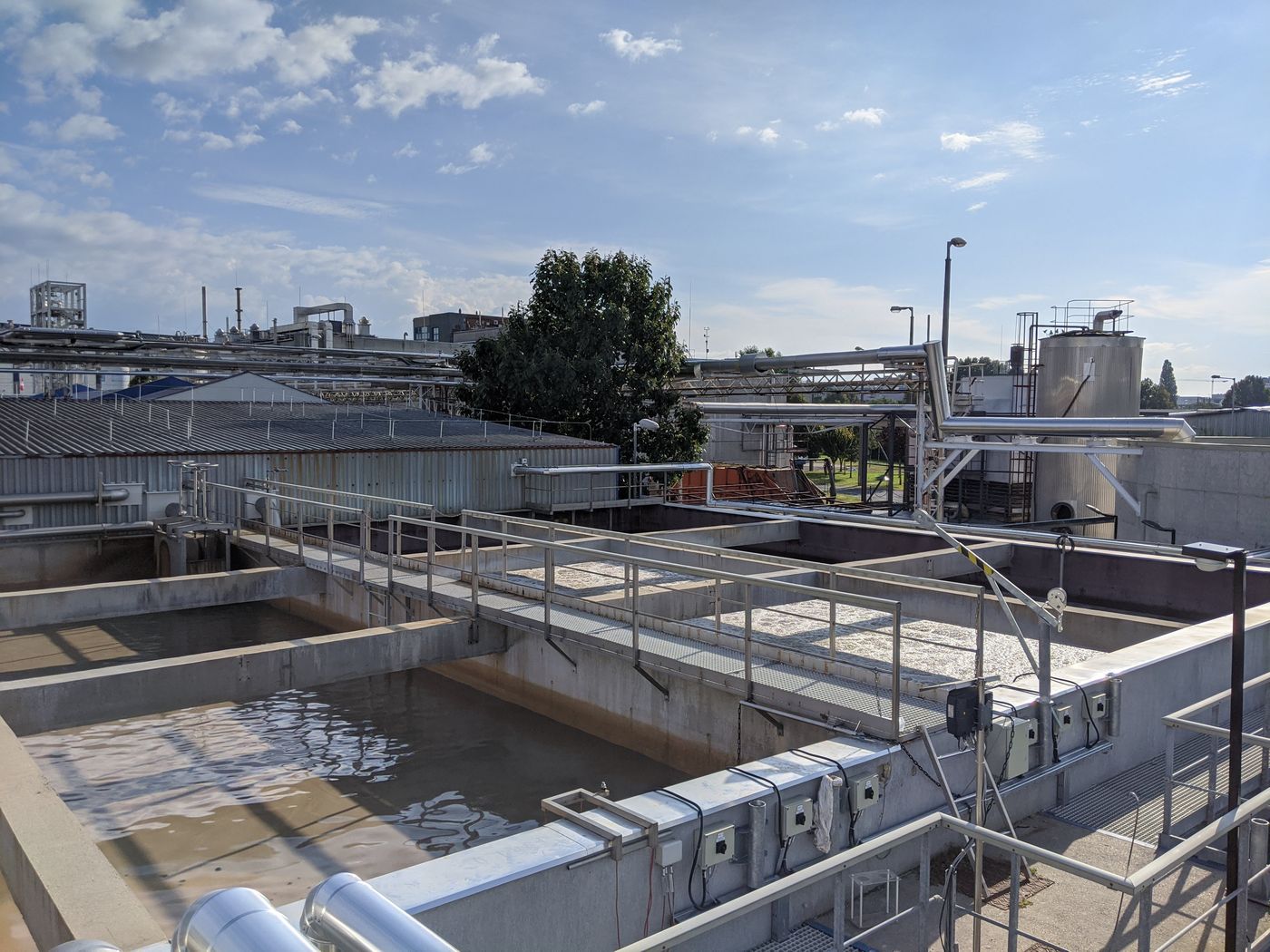
Technologies applied in this sector
Counted from UTB's own delivered reference list: how often each process appears across the 84 plants in this sector.
Membrane bioreactor: biomass retained by membrane rather than settling.
More on MEMBRATOR →Conventional activated sludge with nutrient removal.
Coagulation, flocculation and settling ahead of biology.
Inclined-plate settling for fine solids and metal hydroxides.
Depth filtration as a final solids polish.
Membrane separation of solids and macromolecules ahead of reuse.
Desalination and polishing to reuse-grade water.
Reference plants
The largest 6 of 84 plants delivered in this sector.
| Plant | Location | Capacity | Year | Process |
|---|---|---|---|---|
| Alkaloida Zrt. | Tiszavasvári, Hungary | 3,957 m³/day | 2009 | ACTIVATOR |
| TEVA | Debrecen, Hungary | 1,500 m³/day | 2005 | MBR |
| Xellia Gyógyszervegyészeti Kft. | Budapest, Hungary | 600 m³/day | 2018 | MBR |
| BorsodChem Zrt. | Kazincbarcika, Hungary | 168 m³/day | 2018 | Physico-chemical · lamella sep |
| Dunapack Rt | Nyíregyháza, Hungary | 125 m³/day | 2003 | Physico-chemical · DAF |
| POLIFARBE Kft | Bócsa, Hungary | 2 m³/day | 2001 | Physico-chemical · filtration |
How we deliver it
Single-contract delivery from process design to handover.
EngineeringProcess, mechanical, electrical and control design.
Process & equipment supplyDecanters, aerators and process packages as supply-only scope.
Pilot trialsOn-site pilots on your real effluent before the plant is sized.
ConsultancyAudits, debottlenecking and permit support on existing assets.
R&DLaboratory and development work behind our own processes.
Have a project?
Request a technical assessment