
Biological treatment
HYBRATOR™
Hybrid fixed-film and suspended growth for high-load industrial influent.
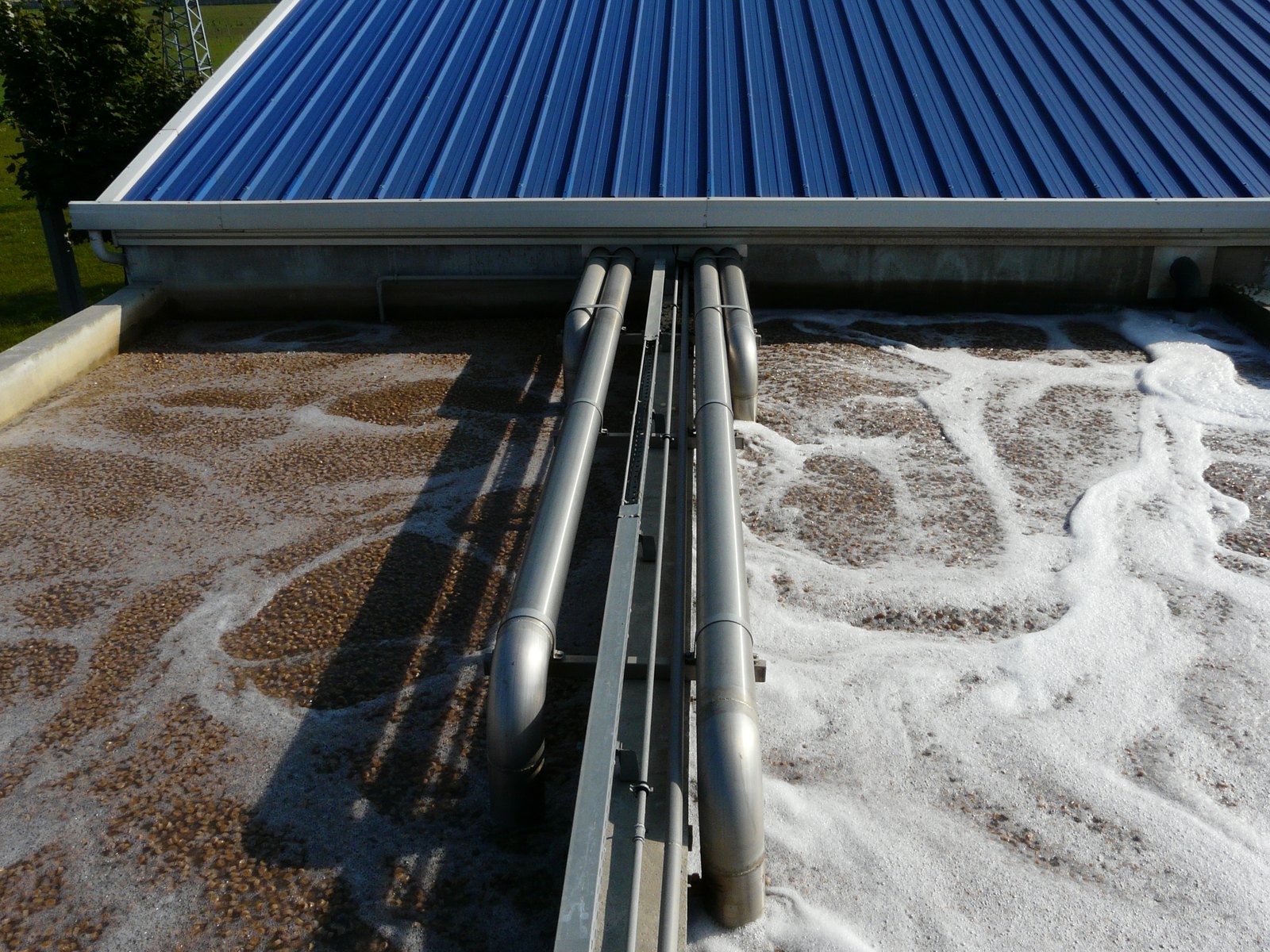
A hybrid of activated sludge and biofilm in one tank: structured plastic carriers raise the biomass concentration so the same reactor carries more load.
The HYBRATOR technology is a hybrid process that combines the benefits of Moving Bed Biofilm Reactor (MBBR) and CYCLATOR™ technologies. It integrates the continuous inflow and efficient settling of the CYCLATOR process with the high surface area and robust biofilm support of MBBR. The result is enhanced biological treatment performance, improved nutrient removal, and greater process stability. HYBRATOR offers a compact, efficient solution for wastewater treatment, delivering superior effluent quality and operational flexibility compared to traditional methods.
How it works
The process
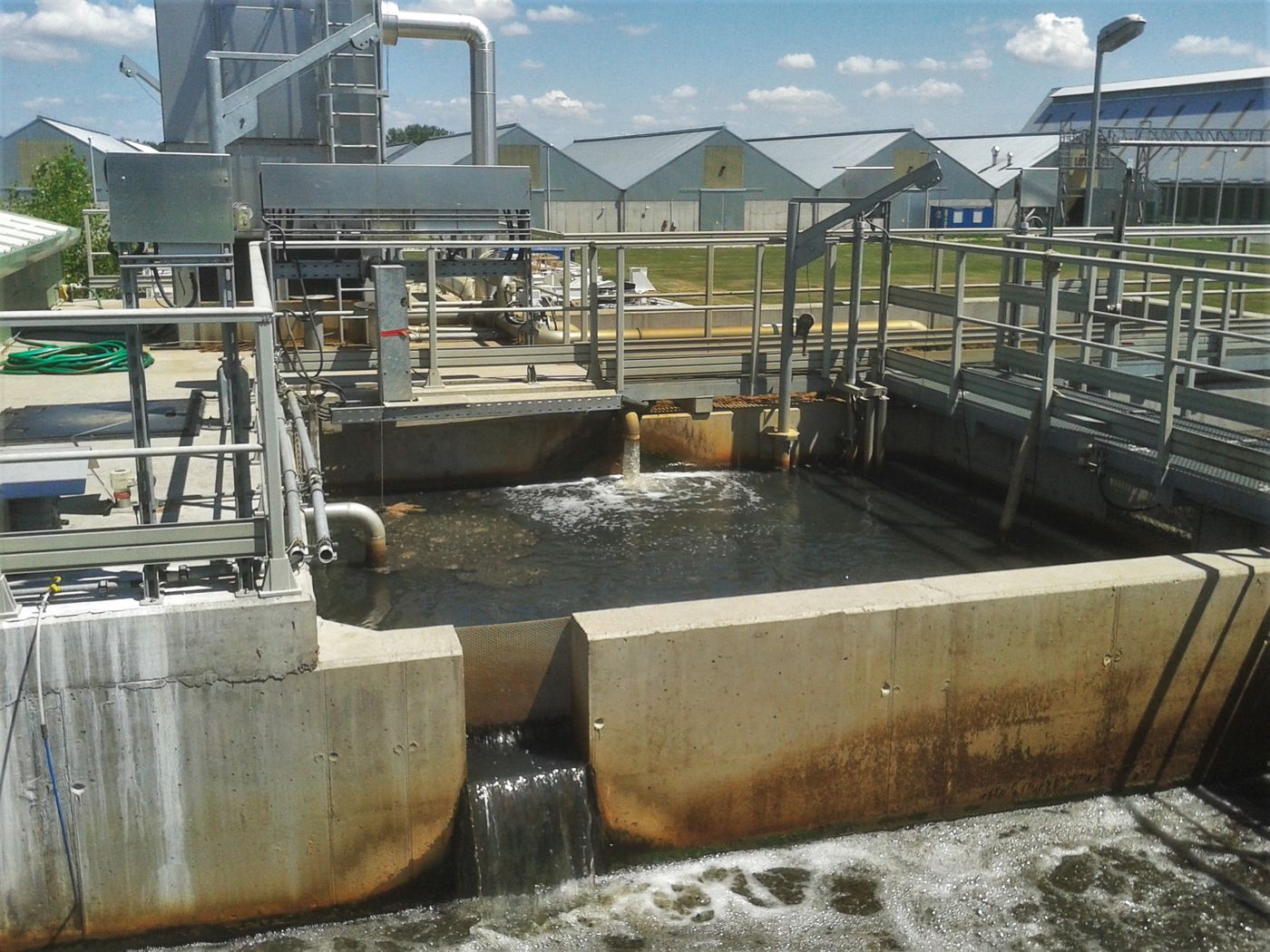
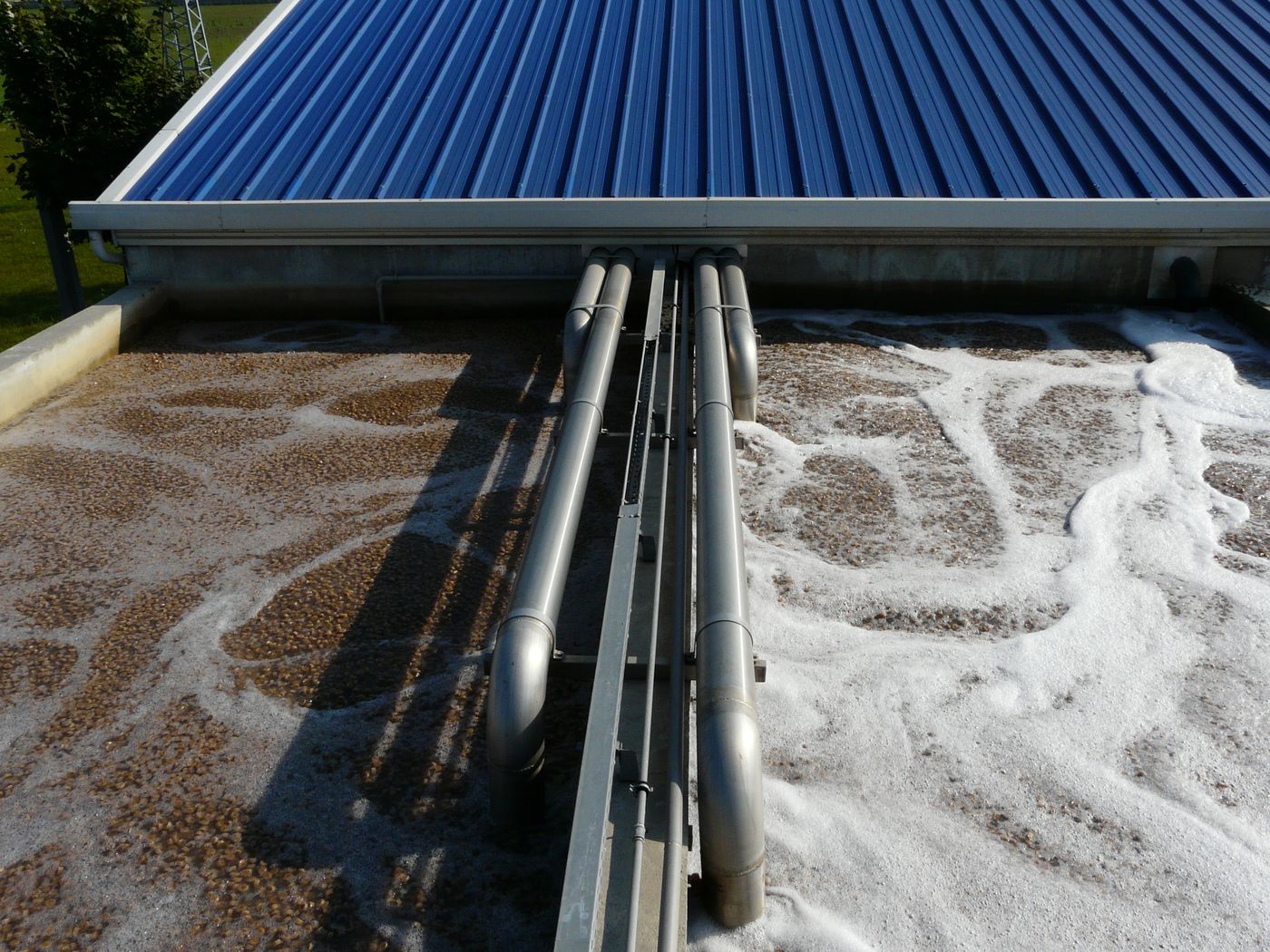
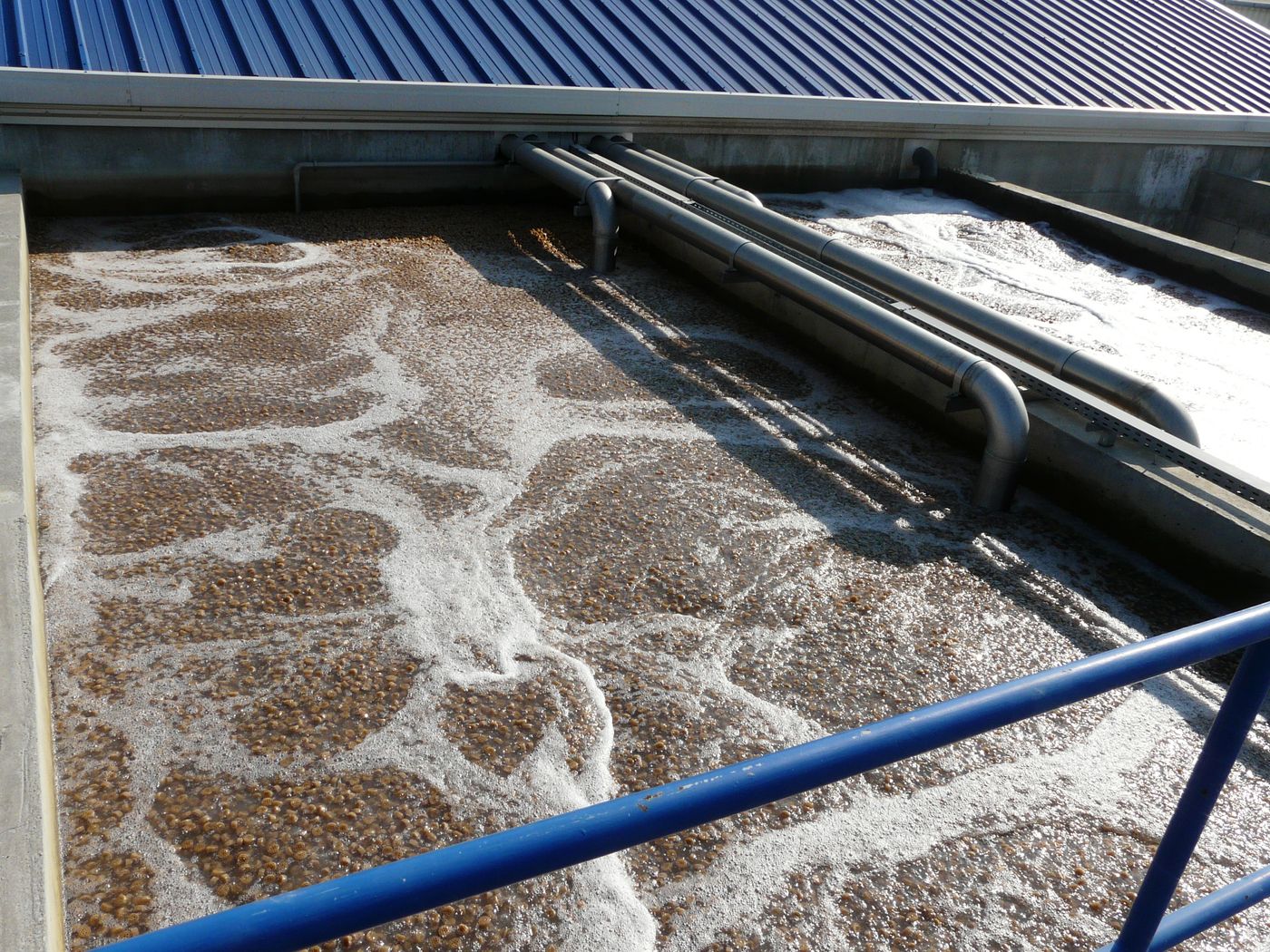
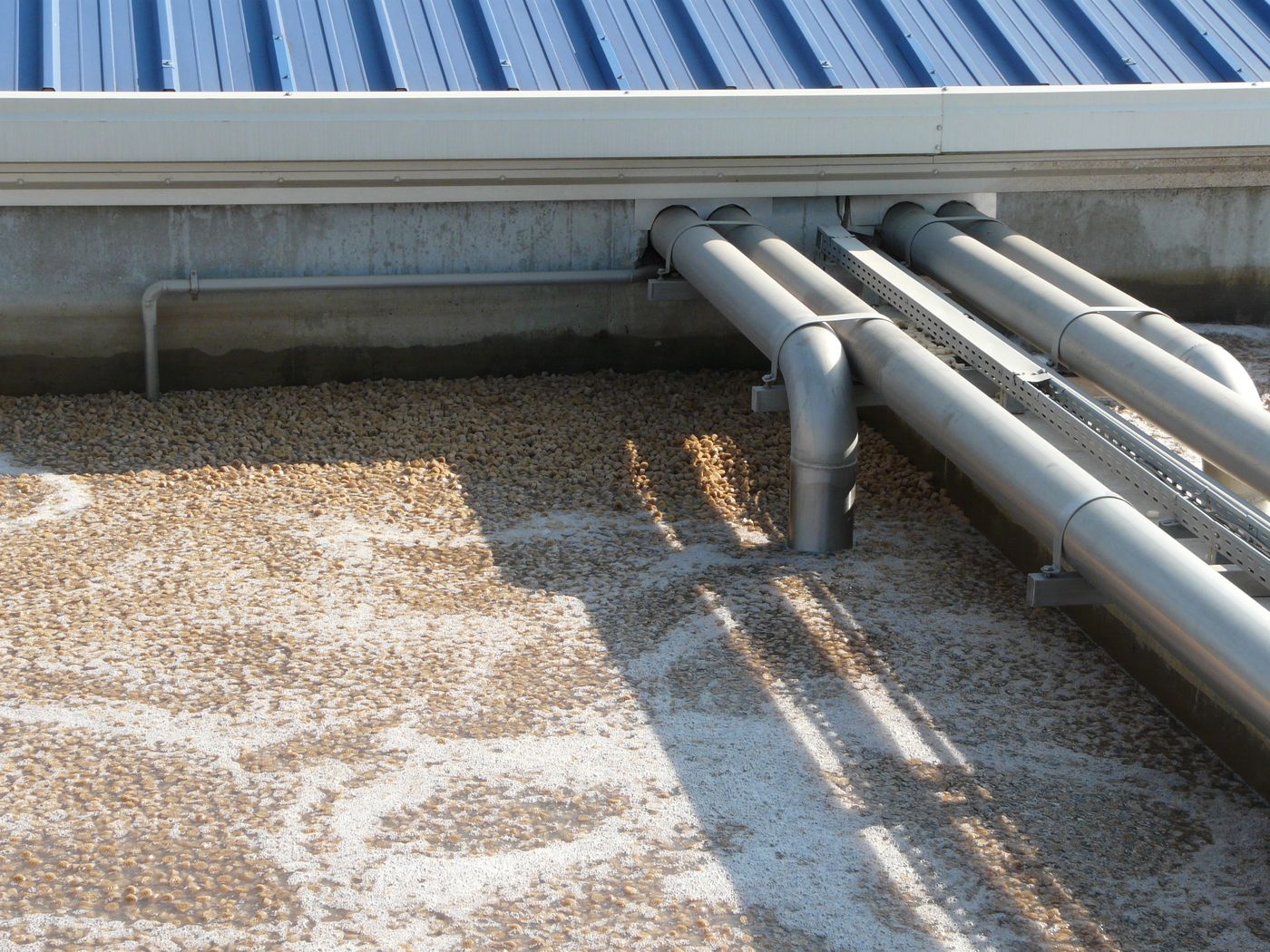
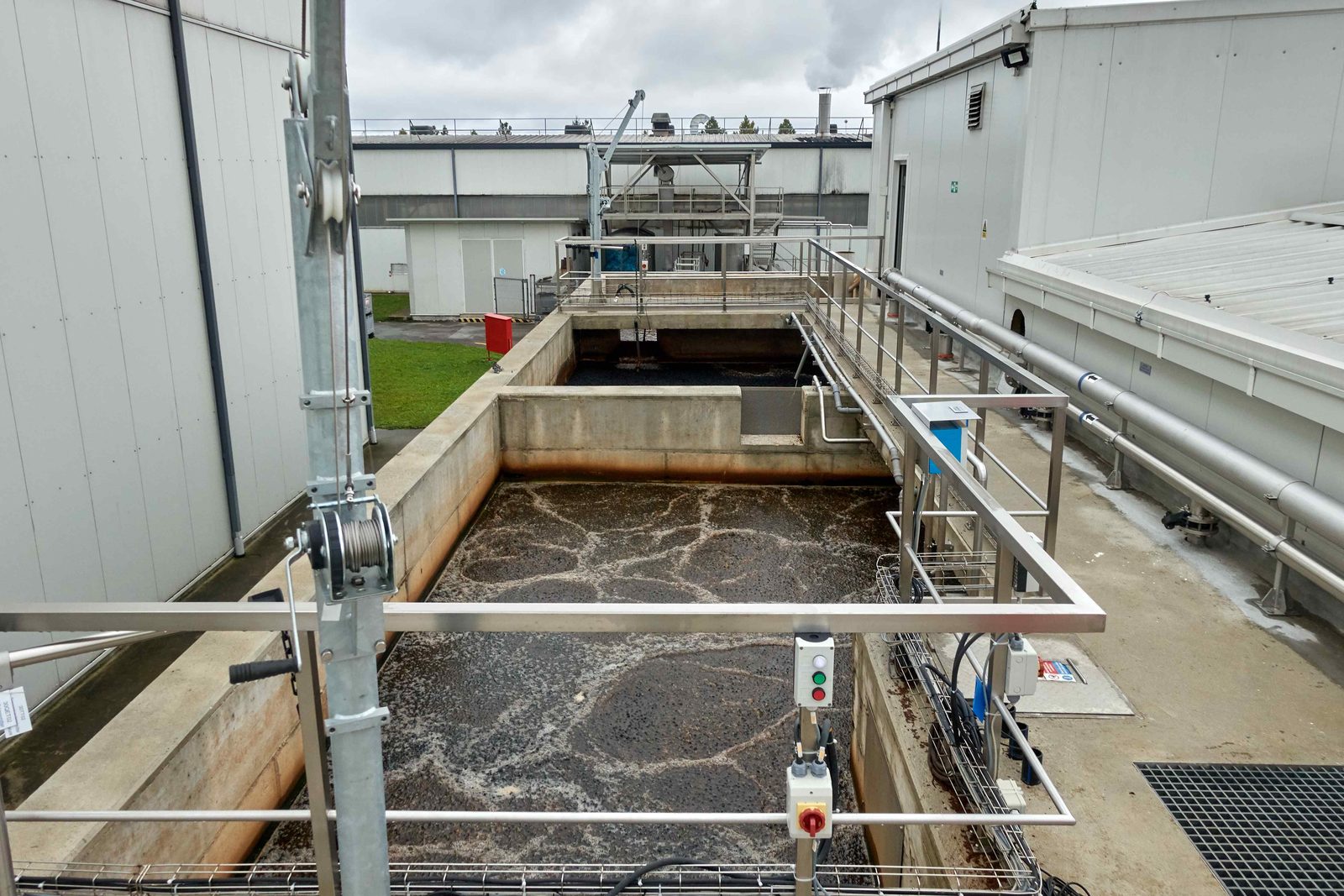
The Hybrator process is an aerobic biological method in which the organisms that degrade the organic matter live in a biofilm on the surface of specially structured plastic media. The reactor is filled to 40–45% of its volume with that media, which floats freely in the aeration tank: the thin biofilm gives a high contact area between oxygen and the organisms and holds a high biomass concentration. As the film thickens it sloughs off in a controlled way, and a filter-sieve keeps the carriers inside the reactor. UTB's implementation is an IFAS arrangement: the tank is seeded with activated sludge, so nitrification happens in the biofilm while BOD removal and denitrification happen in the suspended sludge.
Specifications
| Carrier fill | 40–45% of reactor volume |
| Carrier material | Polyethylene, structured surface, slightly less dense than water |
| Carrier retention | Filter-sieve inside the reactor |
| Process type | IFAS: hybrid biofilm and activated sludge |
| Nitrification | In the biofilm |
| BOD removal and denitrification | In the activated sludge |
| Carrier selection | Sized to the wastewater, treatment target and available volume |
Key advantages
- Combines the advantages of activated sludge and biofilm degradation
- Compact: small footprint and low investment cost
- Robust: stable under large load variations, insensitive to temporary limitation
- Almost any reactor shape can be used, and future expansion is straightforward
- No sludge return
- No clogging of reactors
- Low load on the particle separation stage
- Carries a higher organic loading than suspended growth alone
- Produces less sludge
- Enhanced phosphorus removal
- Younger biomass: more nitrogen removal in a smaller volume
Gallery

Where it is applied
- Upgrading an existing plant without new tankage
- Capacity uprate inside the existing footprint
- High biodegradable load
- Streams prone to filamentous growth in conventional activated sludge
- Pre-treatment or post-treatment duty
Case studies
Written up with commissioning data, influent and effluent.




Reference plants
The largest 8 of 10 plants delivered with HYBRATOR, 2004–2024.
| Plant | Location | Capacity | Year | Process |
|---|---|---|---|---|
| Vientiane | Vientiane, Laos | 26,000 m³/day | 2019 | HYBRATOR |
| Vientiane | Vientiane, Laos | 26,000 m³/day | 2022 | HYBRATOR |
| Suzuki | Esztergom, Hungary | 1,300 m³/day | 2005 | HYBRATOR |
| Glencore | Foktő, Hungary | 556 m³/day | 2020 | Physico-chemical · DAF · HYBRATOR |
| Glencore | Foktő, Hungary | 460 m³/day | 2013 | Physico-chemical · DAF · HYBRATOR |
| Lactasi, PepsiCo | Lactasi, Bosnia-Herzegovina | 300 m³/day | 2017 | Physico-chemical · DAF · HYBRATOR |
| Kistelek | Kistelek, Hungary | 200 m³/day | 2020 | BIODEC-C ×2 |
| Indefco 2000 Kft | Celldömölk, Hungary | 50 m³/day | 2004 | HYBRATOR |
Have a project?
Request a technical assessment