UTB Envirotec 30-year anniversary logo

Contact

Solutions

Resource Recovery

Renewable energy, biomethane and fertiliser recovered from sludge and organic waste, on processes we developed ourselves.

Sludge is the most expensive thing a treatment plant produces. We treat it as feedstock instead: hydrolysis to break it down and hygienise it, digestion to turn the organic load into methane-rich biogas, and upgrading that carries the gas through to bioCNG or grid-quality biomethane, moving the plant towards energy neutrality.

AEROTHERM™ came first, in 1982, and is still the largest single line on the reference list: 123 installations across 12 countries. Its thermophilic hydrolysis hygienises sludge to a Class A product, boosts downstream digestion, returns carbon for denitrification and phosphorus removal, yields a saleable liquid fertiliser and takes 15–25% off the cost of disposal.

METHANATOR™ digestion follows it, in CSTR, UASB or AnMBR configuration depending on the stream: 21 plants, 6 countries and 86,854 m³/day of installed capacity, mesophilic at 37–41 °C or thermophilic at 52–55 °C.
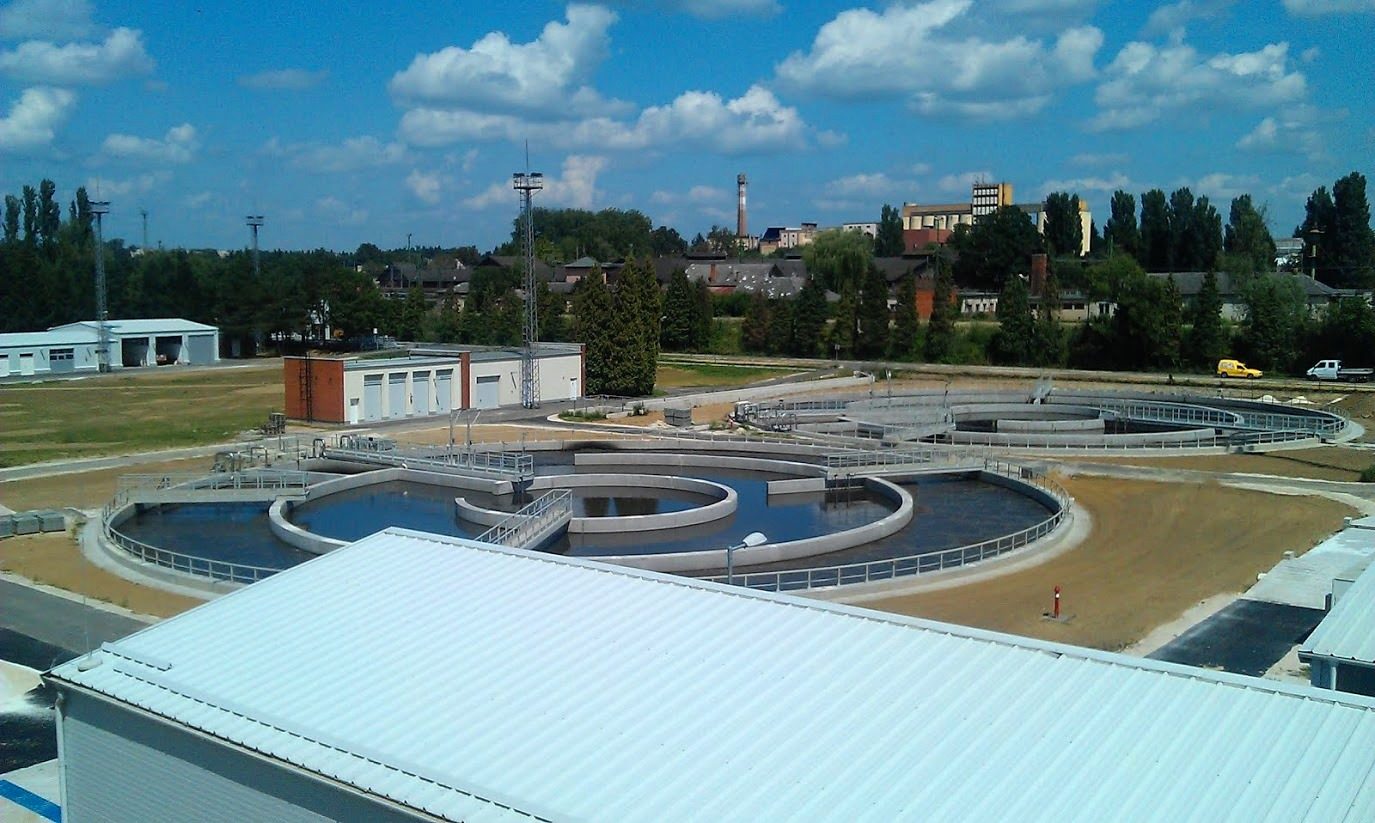
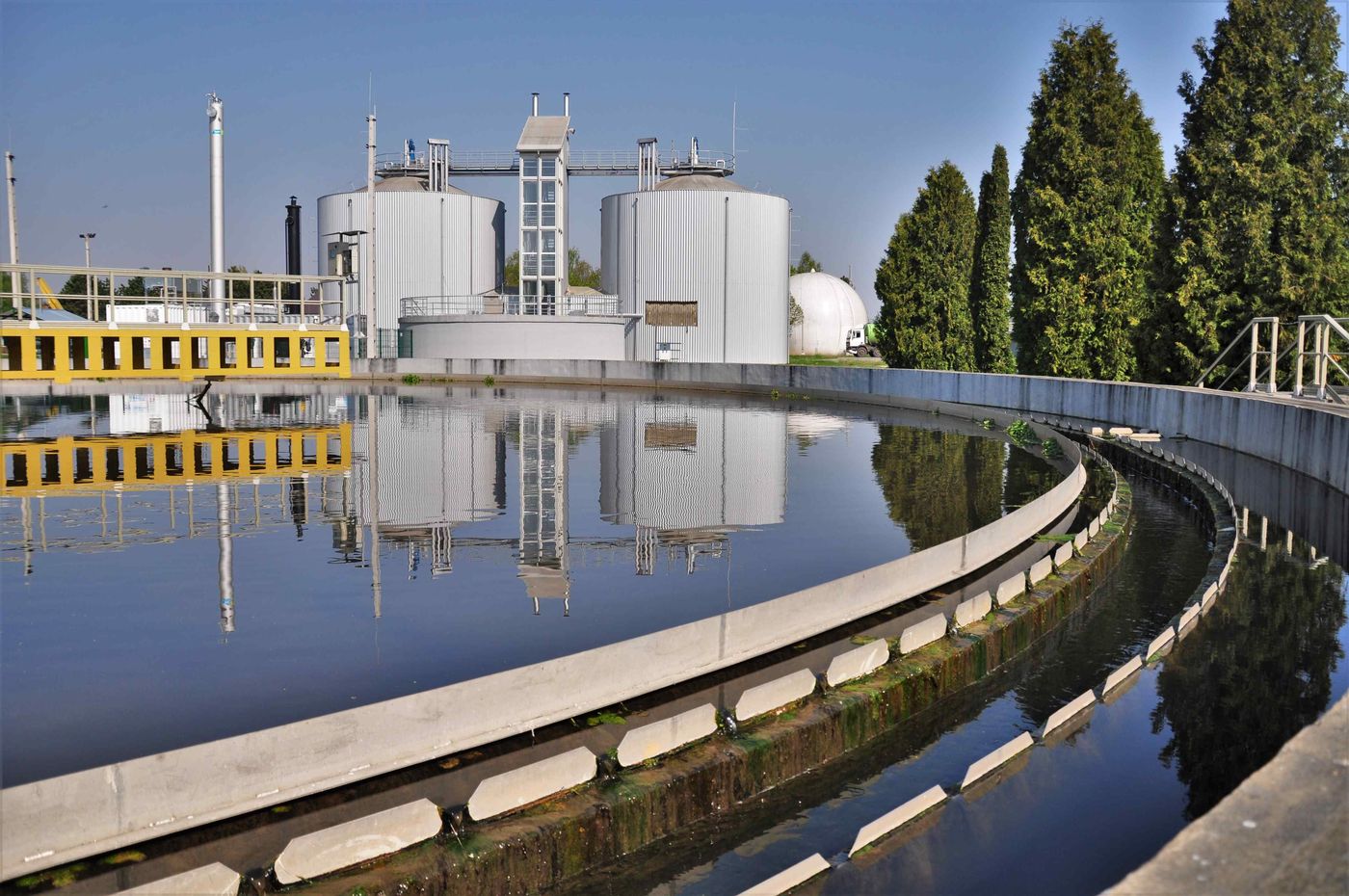
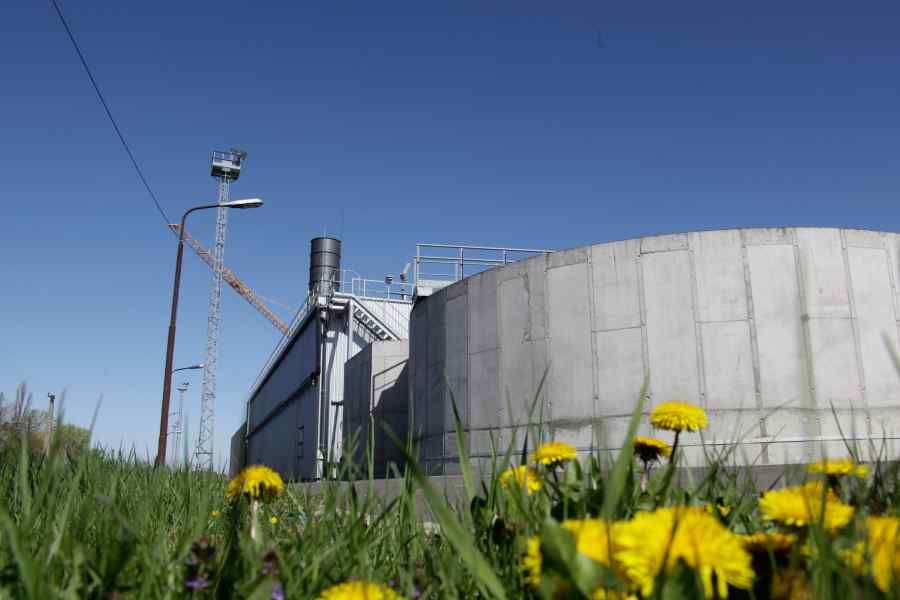
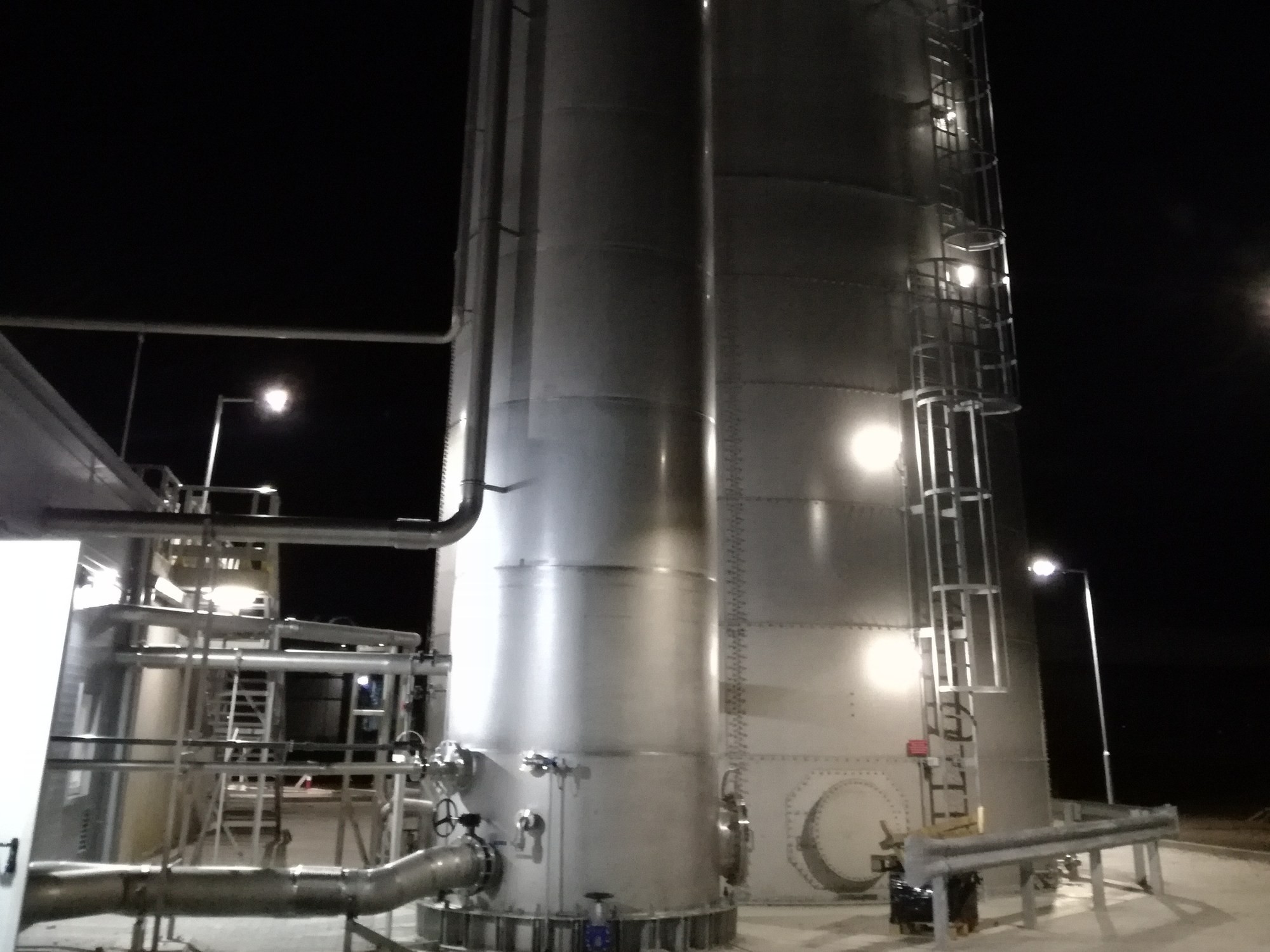
Process tanks at the Zalaegerszeg wastewater and sludge treatment plant, Hungary
Zalaegerszeg, Hungary: the sludge line that feeds digestion, biogas and bioCNG

What it covers

Sludge line

  • Hygienisation for agricultural reuse
  • Capacity uprate of existing digesters
  • Pre-treatment ahead of digestion
  • Odour elimination

Digestion

  • Sewage sludge and biomass
  • Food and beverage effluent
  • Breweries and distilleries
  • Co-digestion of organic waste

Products

  • Methane-rich biogas
  • Biogas upgraded to bioCNG and grid-quality biomethane
  • Liquid fertiliser
  • Carbon returned for nutrient removal

UTB advantages

  1. 01
    More than forty years of our own development

    AEROTHERM has run since 1982 and remains the largest single line on the reference list: 123 installations across 12 countries.

  2. 02
    Sludge turned into revenue, not cost

    The recovery line is designed to yield biogas and a saleable liquid fertiliser, taking 15–25% off the cost of disposal.

  3. 03
    The whole chain from one supplier

    Hydrolysis, digestion, gas engines, upgrading and a bioCNG filling station delivered as a single line, as built at Zalaegerszeg.

  4. 04
    Configured to your stream

    METHANATOR in CSTR, UASB or AnMBR arrangement, mesophilic or thermophilic, chosen after trials rather than assumed up front.

Frequently asked questions

Because thickening, dewatering, transport and disposal all grow with the volume of sludge that leaves the site. The less sludge there is, and the drier and cleaner it is, the lower that cost. Our sludge line reduces volume at source, stabilises and hygienises what remains with AEROTHERM, and turns its organic content into energy before dewatering, cutting disposal cost by 15–25%.

It does the same job with far less energy: conventional thermal hydrolysis (THP) uses steam at 150–170 °C under pressure, while AEROTHERM is a thermophilic process with no pressure vessels or high-grade steam. It hydrolyses and hygienises sludge, gives up to 50% more biogas in the digester, and produces a Class A end product and a saleable liquid fertiliser. AEROTHERM has been installed at 123 plants since 1982, including Zielona Góra in Poland.

Anaerobic digestion converts the organic load in sludge, biomass and industrial waste into methane-rich biogas. METHANATOR runs mesophilic or thermophilic, in CSTR, UASB or AnMBR configurations, and has been delivered to 21 plants since 1988. Co-digestion, adding food waste, agricultural residues or high-strength industrial streams to sewage sludge, uses spare digester capacity and raises gas production. Industrial streams are especially productive: the anaerobic stage at Kall Ingredients produces 9,936 Nm³/day of biogas.

Yes: desulphurisation and upgrading remove carbon dioxide, hydrogen sulphide and moisture, bringing raw biogas to biomethane quality for the gas grid or to bioCNG for vehicle fuel. At Zalaegerszeg, 3,159 Nm³/day of biogas feeds gas engines, upgrading and a bioCNG filling station. Where upgrading is not viable, the gas runs a combined heat and power (CHP) unit for the plant's own electricity and heat, as at Eger with 1,800 Nm³/day.

Yes: sludge and digestate are rich in nitrogen and phosphorus, and our processes return them to agriculture as fertiliser instead of sending them to landfill. AEROTHERM also enables struvite recovery, and our reNEW research extracts volatile fatty acids (VFA) and nutrients (NPK) from biosolids as feedstocks for new products. Nutrient recovery is also becoming a regulatory requirement for larger plants in Europe.

By using less energy on the water side and recovering more on the sludge side, with both designed together as one plant. That means efficient aeration and biological nutrient removal in the wastewater treatment stage, and hydrolysis, digestion and CHP or biomethane in the sludge line. It matters now because the revised EU Urban Wastewater Treatment Directive requires larger plants to reach energy neutrality by 2045.

Send your flow rate, load and discharge limits.

An engineer will come back with an indicative process solution and a view on whether a pilot trial is worthwhile.

Request a technical assessment