
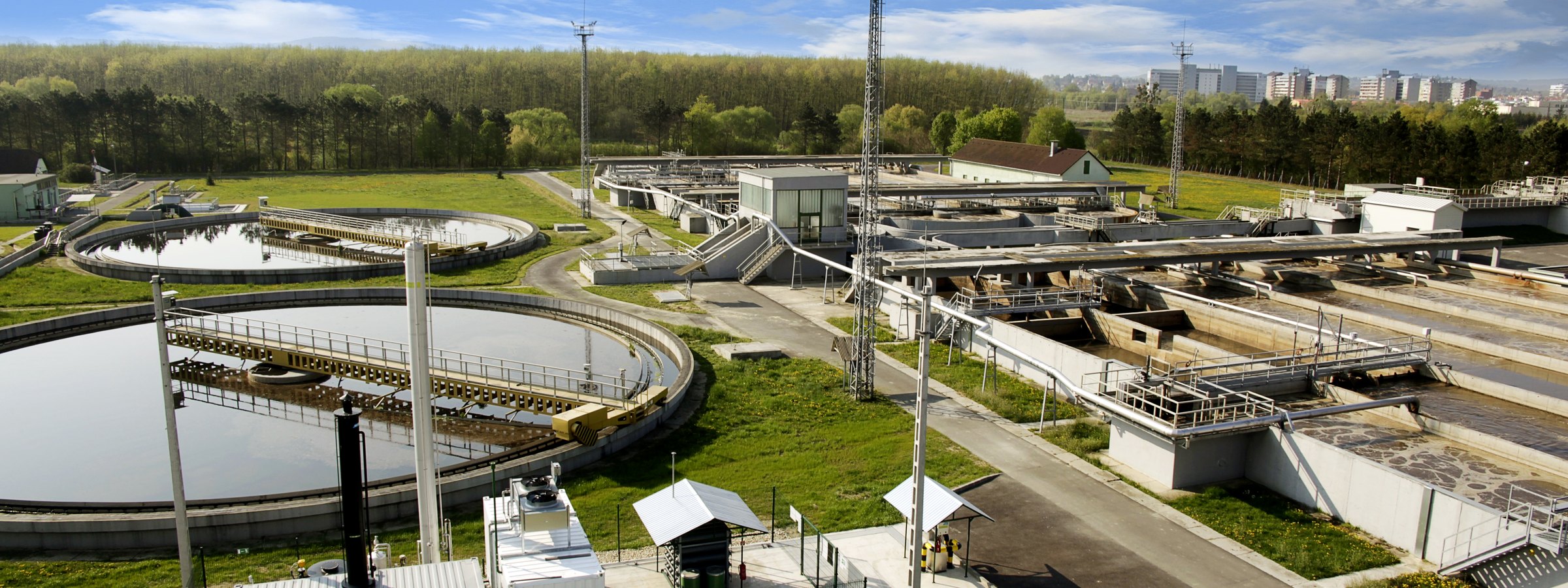
What we're treating
Municipal load is predictable in composition and unpredictable in volume. Nitrogen and phosphorus limits set the process; wet weather, cold-weather nitrification and seasonal population swings decide whether the plant holds them. Sludge is where the operating cost sits. And the revised EU Urban Wastewater Treatment Directive now adds micropollutant removal, energy neutrality and nutrient recovery to the list.
Our answer is a continuously fed reactor that carries nitrification, denitrification and biological phosphorus removal in the same basin: no equalisation tank, no separate anoxic and aerobic trains. On the sludge side, low-temperature thermal hydrolysis ahead of digestion raises gas yield and cuts the volume leaving site, with the biogas going to CHP or upgraded to bioCNG. This is the sector UTB has worked in longest: the first plant was delivered in 1964, and the base has grown to 447 plants across 29 countries.
- Load pattern
- Diurnal and wet-weather peaks over a stable base; septage and trade effluent on top
- Binding limits
- Total nitrogen and total phosphorus, usually before COD
- Hard case
- Nitrification at winter temperature, and holding limits through storm flow
- Cost centre
- Sludge handling, disposal and the aeration energy behind nitrification
Case studies
All case studies →446 plants delivered in this sector across 29 countries, 481,125 m³/day of combined capacity. These are written up with their commissioning data.
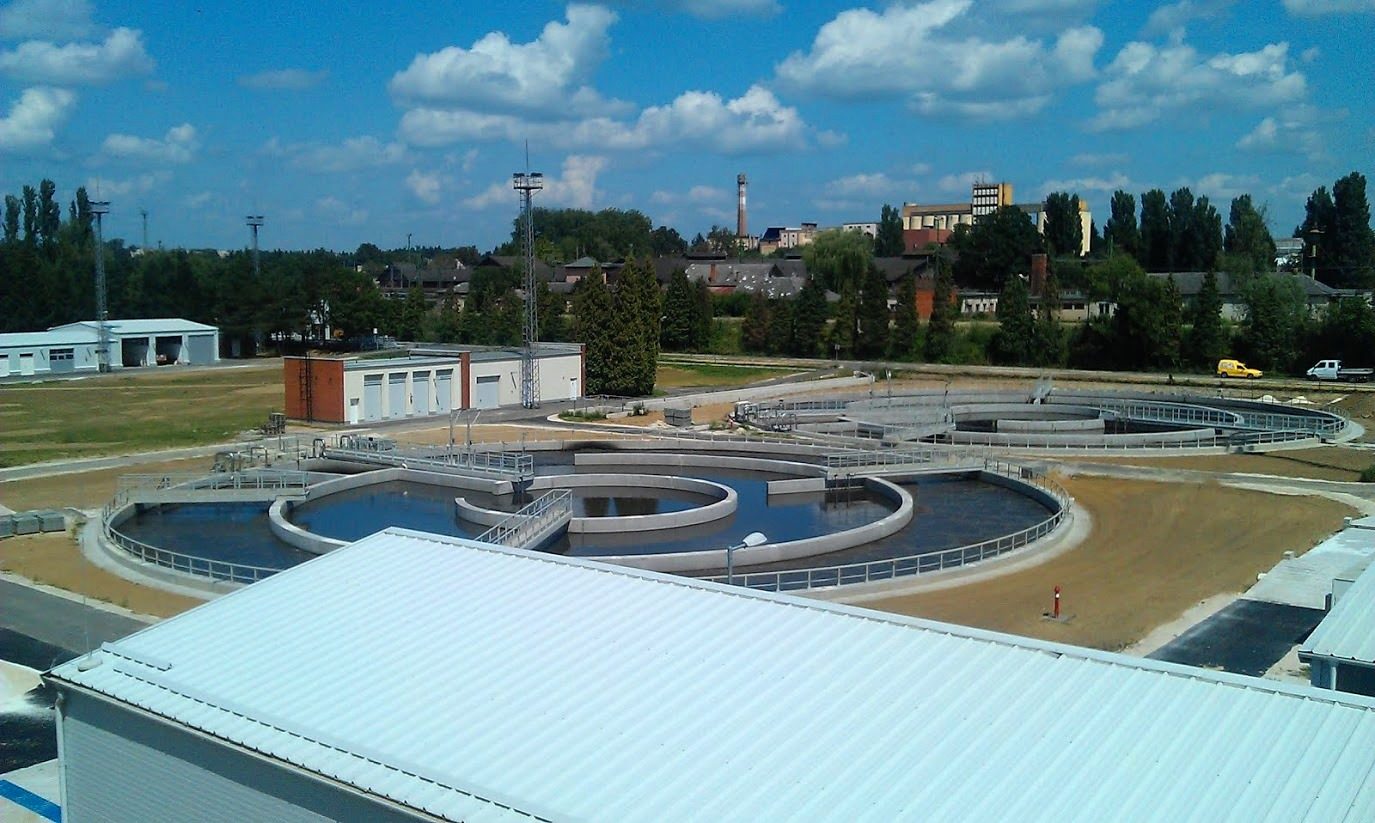

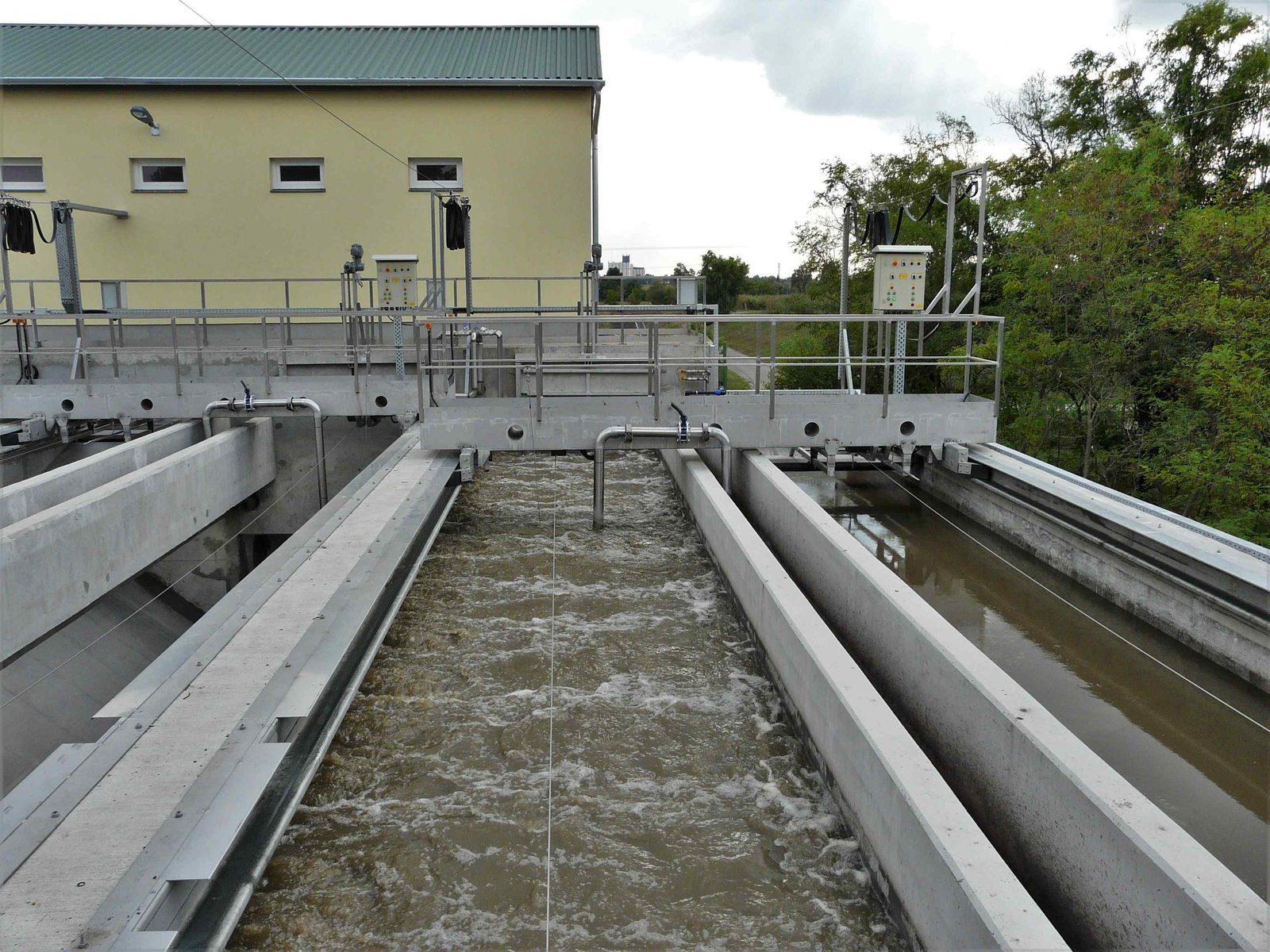
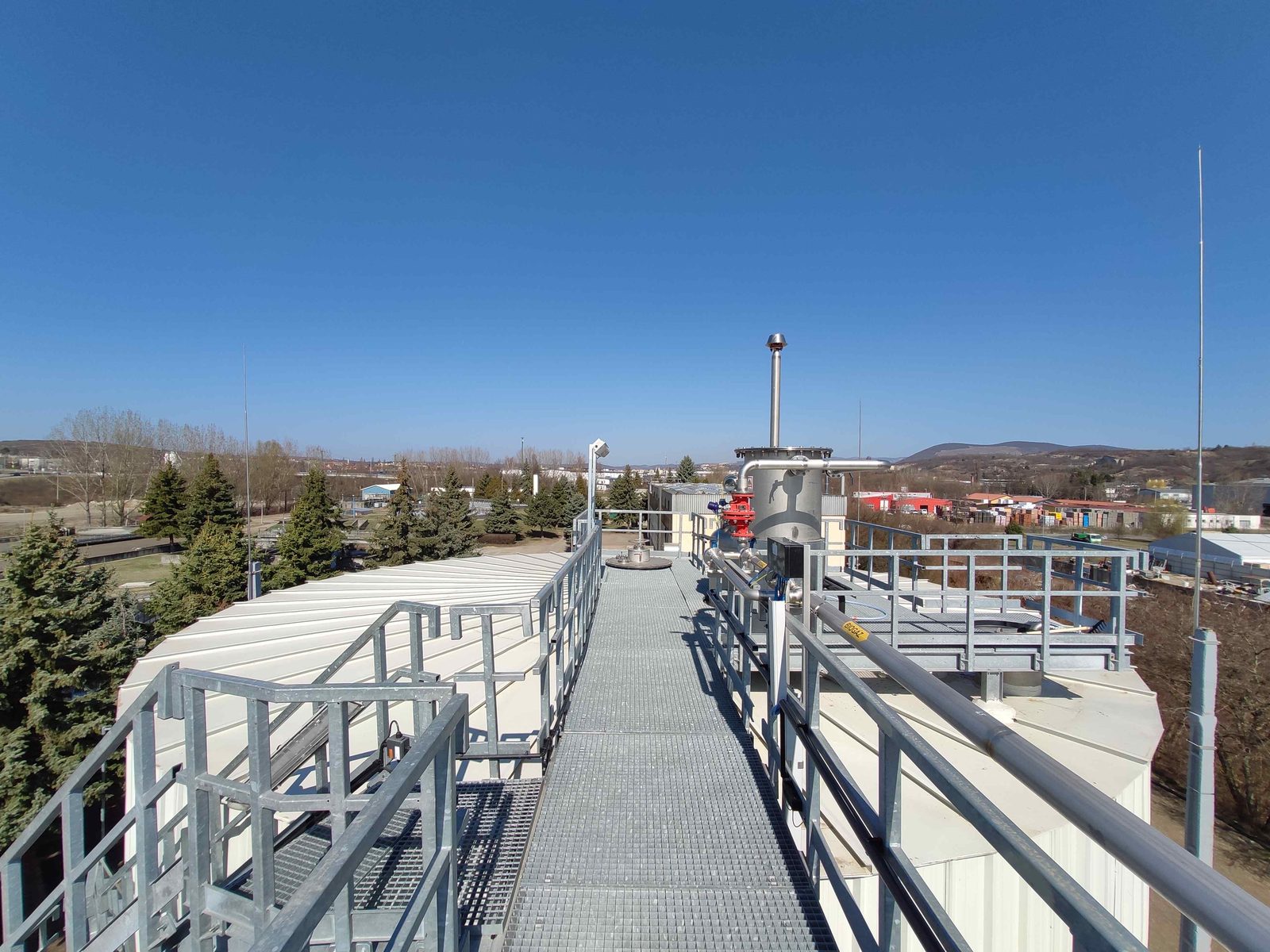
Technologies applied in this sector
Counted from UTB's own delivered reference list: how often each process appears across the 446 plants in this sector.
Low-temperature thermal hydrolysis and hygienisation ahead of the digester.
More on AEROTHERM →Continuously fed SBR carrying nitrification, denitrification and bio-P in one basin.
More on CYCLATOR →Anaerobic digestion: CSTR, UASB and AnMBR configurations.
More on METHANATOR →Conventional activated sludge with nutrient removal.
Sludge hygienisation to Class A standard.
Sequencing batch reactor.
Autothermal thermophilic aerobic digestion.
Reference plants
The largest 8 of 446 plants delivered in this sector.
| Plant | Location | Capacity | Year | Process |
|---|---|---|---|---|
| Vientiane | Vientiane, Laos | 26,000 m³/day | 2023 | HYBRATOR |
| Nagykanizsa | Nagykanizsa, Hungary | 21,250 m³/day | 2014 | ACTIVATOR · METHANATOR |
| Békéscsaba | Békéscsaba, Hungary | 20,000 m³/day | 2014 | ACTIVATOR · METHANATOR |
| Eger | Eger, Hungary | 19,700 m³/day | 2022 | METHANATOR |
| Zalaegerszeg | Zalaegerszeg, Hungary | 17,000 m³/day | 2010 | ACTIVATOR · METHANATOR |
| Tatabánya | Tatabánya, Hungary | 16,000 m³/day | 2013 | ACTIVATOR |
| Makó | Makó, Hungary | 8,400 m³/day | 2012 | SBR |
| Szentes | Szentes, Hungary | 7,380 m³/day | 2014 | CYCLATOR |
How we deliver it
Single-contract delivery from process design to handover.
EngineeringProcess, mechanical, electrical and control design.
Process & equipment supplyDecanters, aerators and process packages as supply-only scope.
Pilot trialsOn-site pilots on your real effluent before the plant is sized.
ConsultancyAudits, debottlenecking and permit support on existing assets.
R&DLaboratory and development work behind our own processes.
Have a project?
Request a technical assessment