
Biological treatment
CYCLATOR™
Continuous-feed SBR: one basin nitrifies, denitrifies and removes P: no equalisation tank.
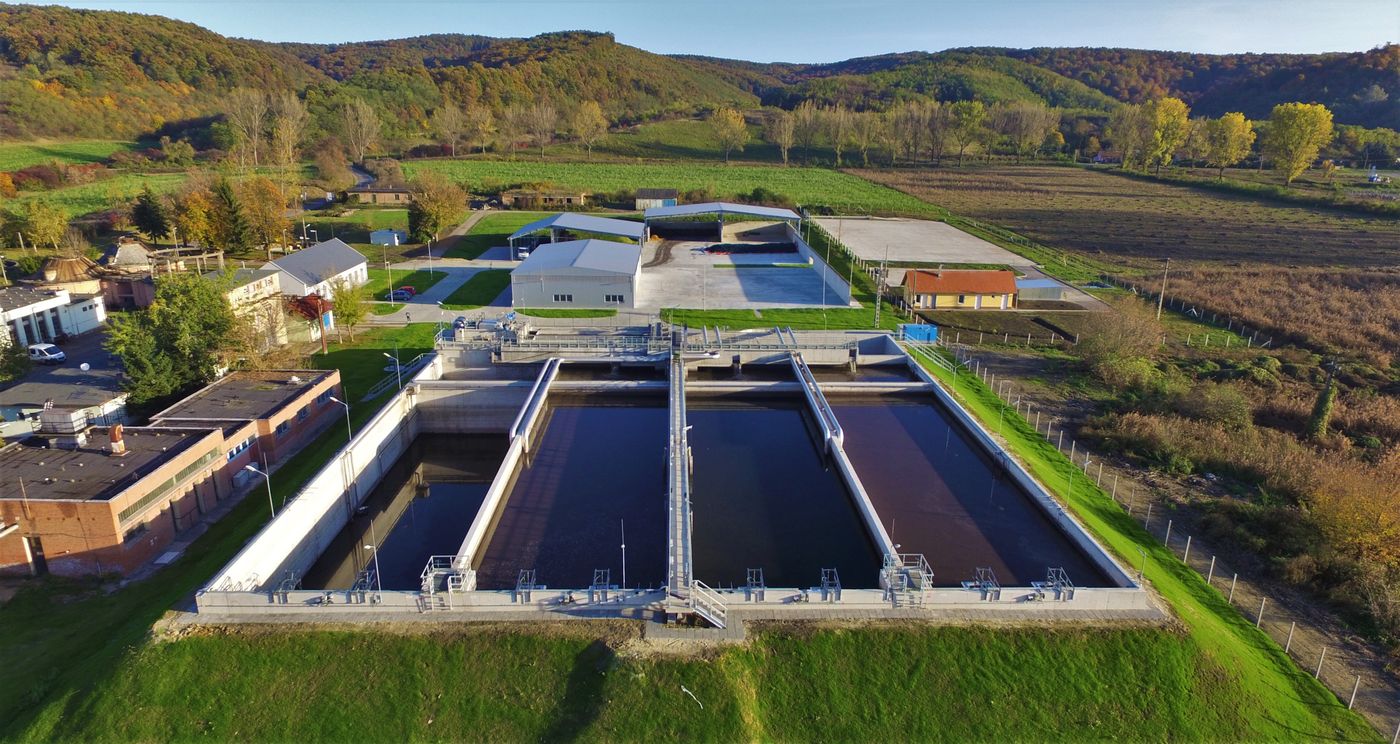
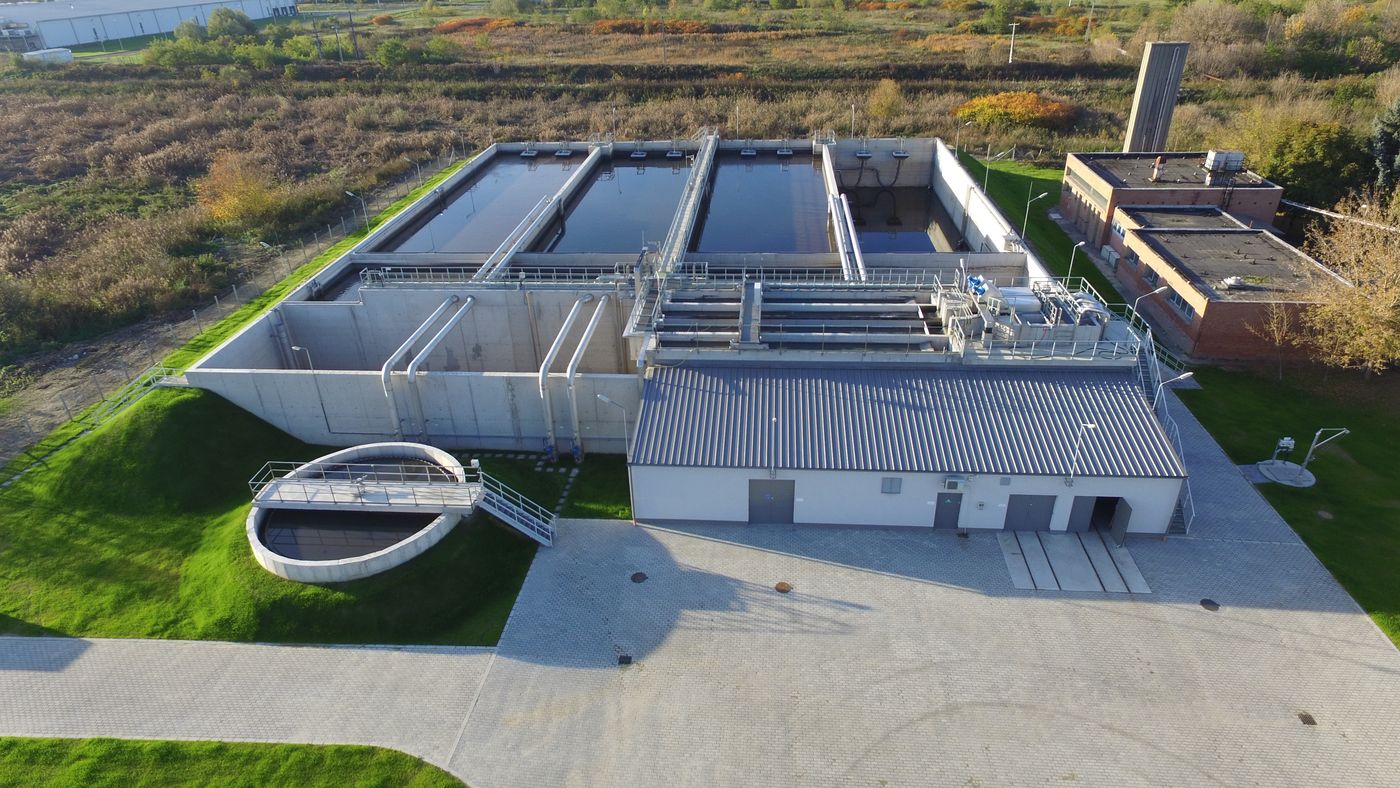
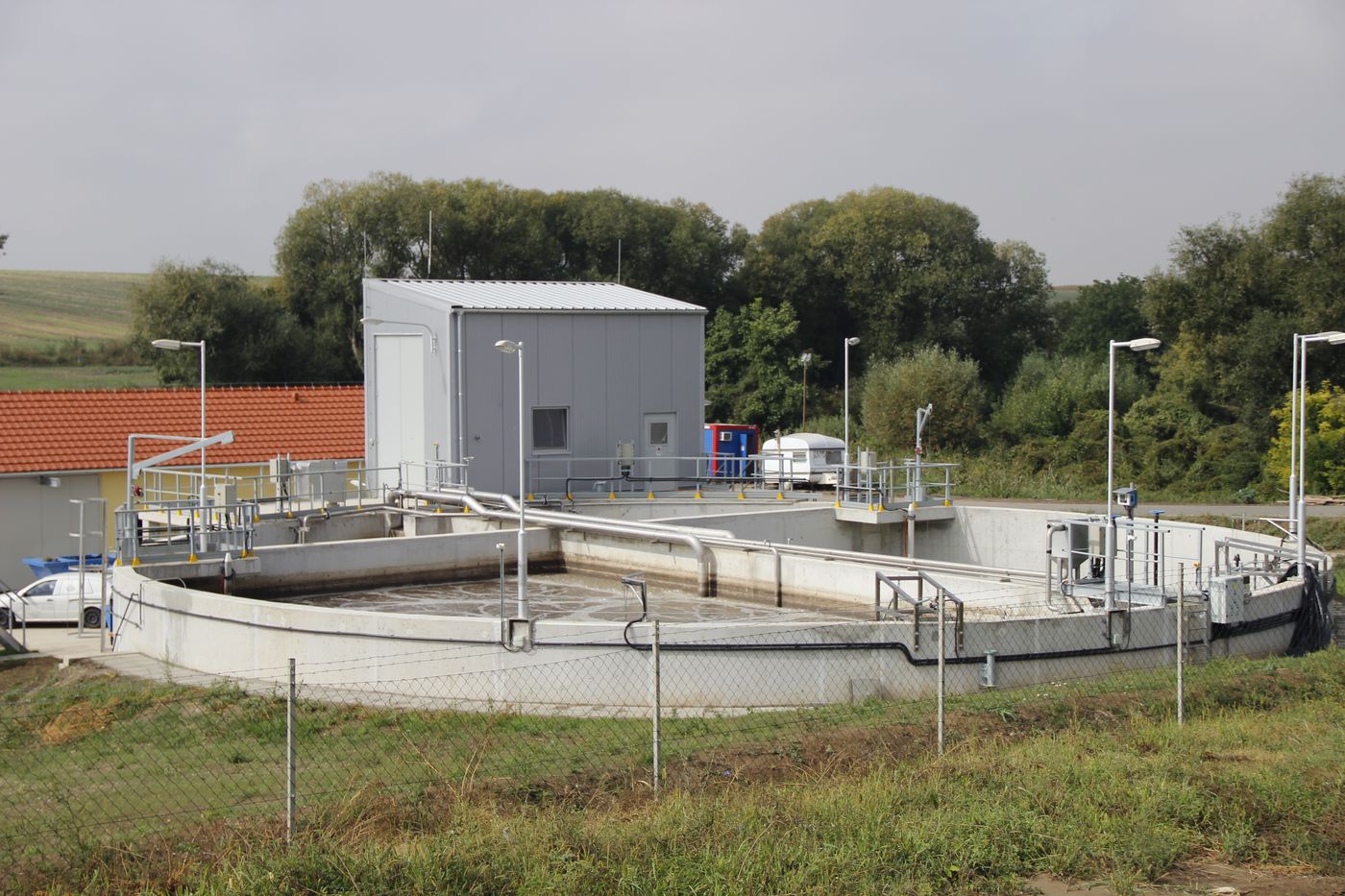
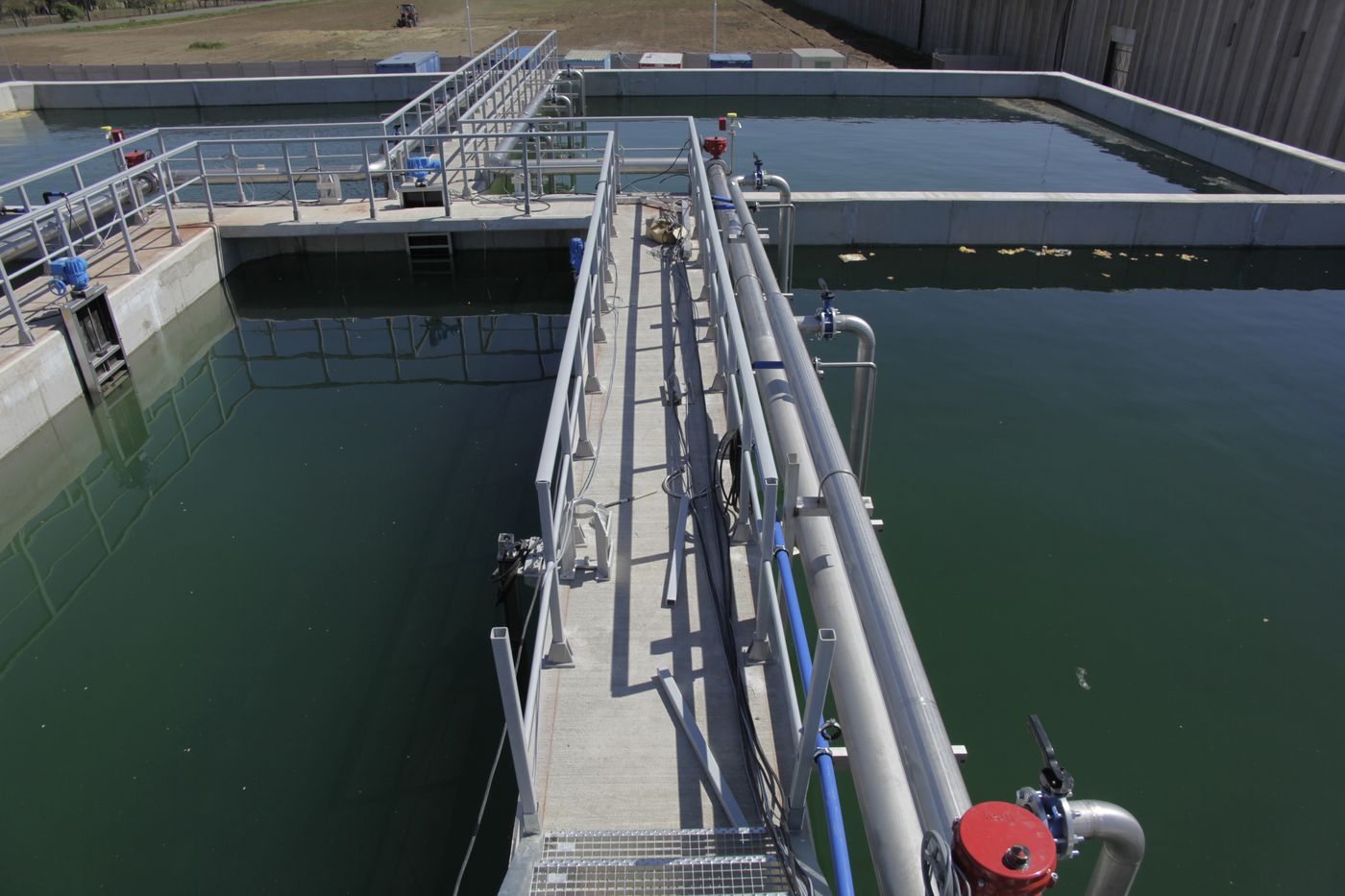
UTB's own CYCLATOR technology is an advanced, fully automatic Sequential Batch Reactor (SBR) technology that continuously manages biological oxidation, nitrification, and separation in a single basin.
The CYCLATOR process enables continuous inflow to the basin during the settle/decant cycle, removing the need for multiple basins and equalization tanks. Its patented FeedForward™ cycle distributes raw wastewater mixed with MLSS to the biomass in the react zone using a manifold system. This allows the hydrolyzing carbon content to interact with phosphorous accumulating and denitrifying bacteria, ensuring full biological nutrient removal and superior process efficiency compared to other SBR/Cyclic processes.
Download the CYCLATOR brochureHow it works
The process
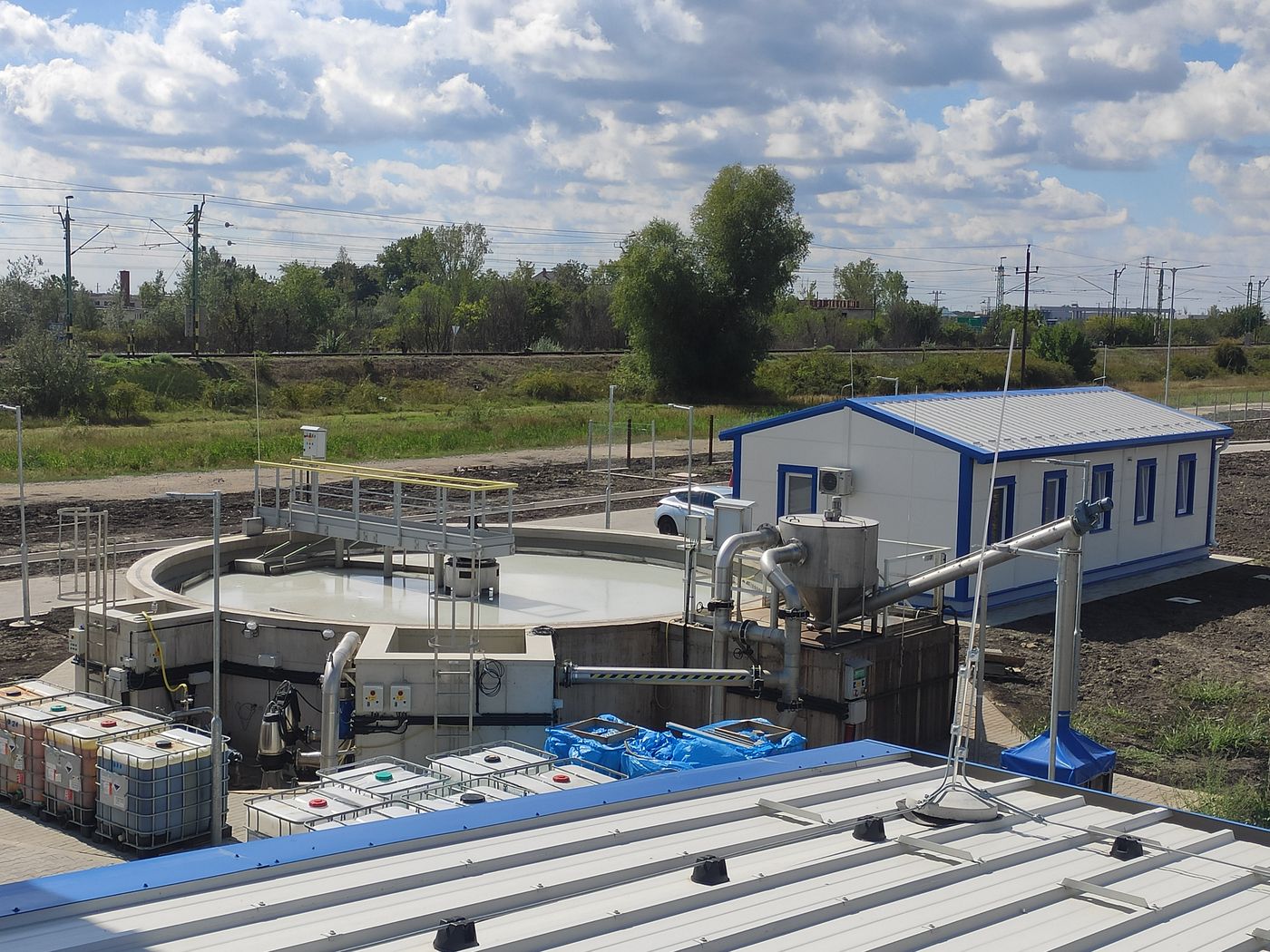
A non-hydrostatic baffle wall splits the basin into a select zone and a react zone. The select zone is sized to favour the right organisms and to hydrolyse incoming particulates; the FeedForward™ cycle then pumps that MLSS-mixed influent through to the biomass in the react zone, so hydrolysed carbon arrives exactly when the phosphorus-accumulating and denitrifying bacteria need it. The react zone runs repeated oxic and anoxic cycles, and a floating BIODEC™ decanter draws off clear water at the end of each cycle. Because feed never stops, no equalisation tank and no second basin are required.
Specifications
| Full cycle | 288 min |
| Aeration | 96 min (4 × 24) |
| Mixing | 72 min (3 × 24) |
| Settling | 60 min |
| Decantation | 60 min |
| Feed | Continuous throughout |
| Cycle time on process | > 90% |
| Configuration | Single or multiple tank, circular or rectangular |
Key advantages
- Continuous influent
- No requirement for equalization and return sludge
- Efficient degradation ensures complete BNR
- FeedForward™ cycle concept
- Low CAPEX / OPEX / footprint
- Fully automated technology
- Energy savings by cycle control
- Biological P removal reduces iron dosing
- Sludge regeneration and selectivity give lower SVI
- Stratification prevents effluent contamination
- Equalisation tanks and multiple basins not required
Gallery

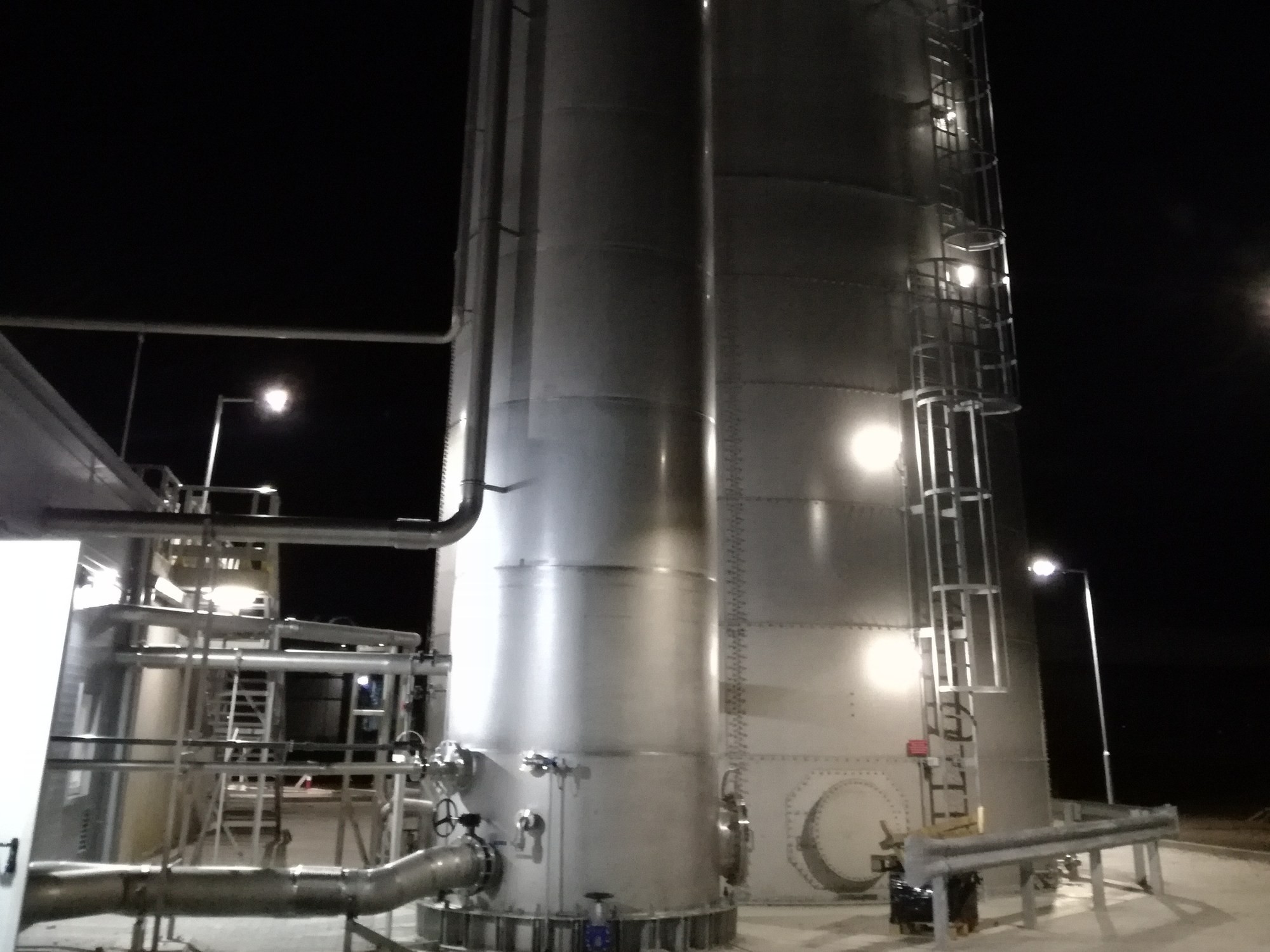
Where it is applied
- Towns and regional agglomerations
- Septic waste co-treatment
- Food and beverage effluent
- High-load organic streams
Case studies
Written up with commissioning data, influent and effluent.
Reference plants
The largest 8 of 63 plants delivered with CYCLATOR, 2006–2026.
| Plant | Location | Capacity | Year | Process |
|---|---|---|---|---|
| Debrecen | Debrecen, Hungary | 12,000 m³/day | 2026 | BIODEC S 600 ×2 |
| Szentes | Szentes, Hungary | 7,380 m³/day | 2014 | BIODEC S 400 ×4 |
| Kall Ingredients (Tisza-TK) | Tiszapüspöki, Hungary | 5,500 m³/day | 2015 | BIODEC S 200 ×4 |
| Ózd | Ózd, Hungary | 5,400 m³/day | 2014 | BIODEC S 200 ×8 |
| Kiskunhalas | Kiskunhalas, Hungary | 4,290 m³/day | 2012 | BIODEC S 200 ×6 |
| BYD Auto Hungary Kft. | Szeged, Hungary | 3,000 m³/day | 2025 | BIODEC-C ×2 |
| BYD Auto Hungary Kft. | Szeged, Hungary | 3,000 m³/day | 2024 | BIODEC-C ×2 |
| Tolna | Tolna, Hungary | 2,500 m³/day | 2013 | BIODEC S 200 ×4 |
Have a project?
Request a technical assessment